
When winter arrives in New England, homeowners aren’t the only ones seeking warmth. As temperatures fall, pests such as mice, squirrels, spiders, cockroaches, and even ants begin looking for stable, heated environments to survive the season. Your home offers exactly what they’re searching for—food, water, and shelter—which is why winter pest activity often goes unnoticed until signs of damage appear.
Understanding the winter pest hotspots in your home is the first step toward preventing unwanted intruders. Some of the most active hiding areas aren’t the obvious ones; instead, they tend to be warm, low-traffic zones that provide easy access and protection from the elements. Below, we break down the most common—and unexpected—winter nesting zones homeowners should keep an eye on.
1. Laundry Rooms: Warmth, Moisture, and Hidden Entry Points
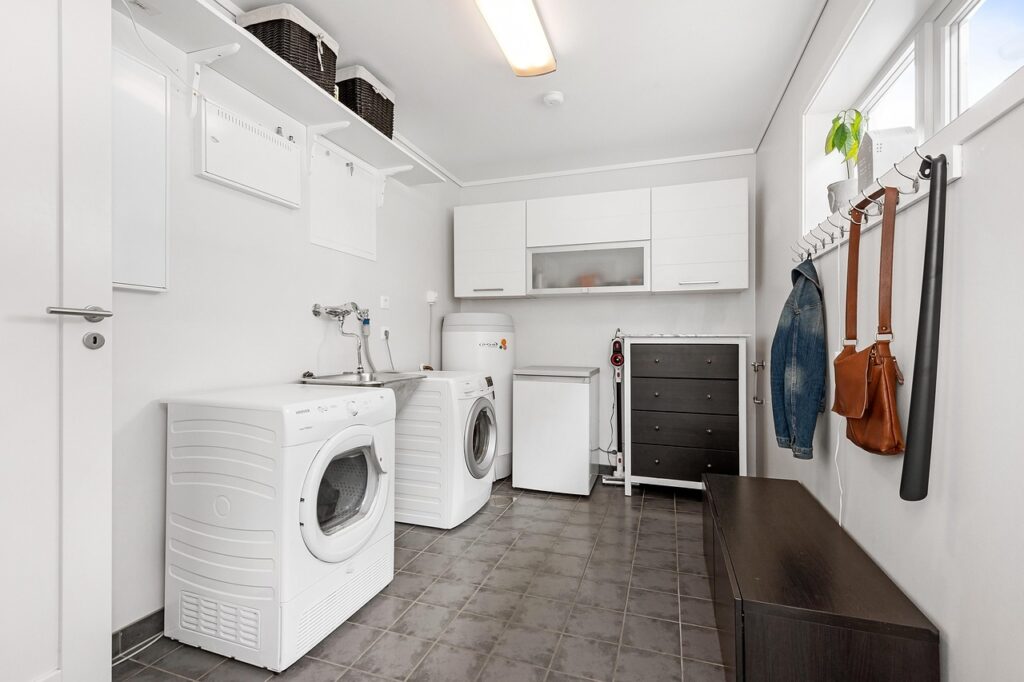 Laundry rooms are one of the top winter pest hotspots in your home, especially in New England homes with older foundations or utility connections that lead outdoors.
Why pests love this space:
- Warm appliances: Dryers and washing machines generate heat—an instant attraction for rodents.
- Moisture: Leaky hoses and drain lines provide a water source for cockroaches and silverfish.
- Gaps and vents: Dryer exhaust ducts often have loose seals or exterior openings that pests can exploit.
Common invaders:
Mice, rats, silverfish, spiders, roaches.
Homeowner tip: Check the dryer vent for gaps, ensure appliances sit flush to the wall, and keep laundry supplies stored in sealed containers.
2. Boiler Rooms & Utility Closets: The Warmest Spot in the House
Boiler rooms, furnace rooms, and utility closets create the ideal environment for winter nesting. Warm pipes, minimal human movement, and structural gaps make these spaces prime real estate for rodents and insects.
Why pests choose these rooms:
- Consistent heat: Furnaces and water heaters produce steady warmth, especially during the coldest months.
- Darkness and shelter: The clutter often stored here gives pests places to hide undetected.
- Pipe penetrations: Gaps around plumbing and electrical conduits act as rodent highways.
Common invaders:
Mice, rats, carpenter ants, spiders, sowbugs, centipedes.
Homeowner tip: Seal openings around pipes with steel wool or expanding foam, and reduce clutter to limit hiding areas.
3. Wall Voids: Invisible Highways for Rodents and Insects
Perhaps the most overlooked winter pest hotspots in your home are wall voids—the empty spaces between your interior walls. Because these areas are insulated and rarely disturbed, pests can move freely without detection.
Why pests use wall voids:
- Warmth from insulation: Insulation materials trap heat, making walls one of the coziest spaces for pests.
- Safe travel corridors: Rodents create runways inside walls to move from room to room.
- Sound dampening: The structure of wall voids helps conceal scratching noises until infestations become more severe.
Common invaders:
Mice, squirrels, carpenter ants, cluster flies, wasps (overwintering), spiders.
Homeowner tip: If you hear scratching, tapping, or nighttime movement, don’t ignore it—these signs often point to pests living inside wall voids.
4. Attic Insulation: A Perfect Winter Nesting Material
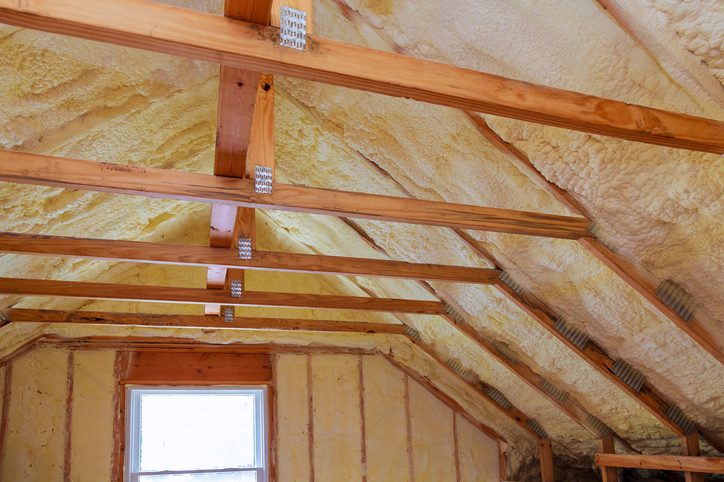
While most homeowners assume the attic is too cold for wildlife, pests actually thrive in attic insulation. The material traps body heat, allowing rodents and insects to stay warm even during extreme temperature swings.
Why attic insulation is a winter hotspot:
- Nest-ready material: Rodents shred insulation to form nests for overwintering.
- Minimal human activity: Attics are rarely visited, making infestations go unnoticed.
- Roofline access: Squirrels and mice enter through vents, gaps, and damaged shingles.
Common invaders:
Mice, squirrels, bats, cluster flies, carpenter ants.
Homeowner tip: Inspect for droppings, damaged insulation, or chewed wiring—signs that pests may already be established.
5. Behind Kitchen Appliances: Warmth + Food Access = Prime Real Estate
Even though the kitchen appears active and clean, pests often hide behind ovens, refrigerators, and dishwashers.
Why pests gather here:
- Heat from motors: Warm mechanical parts attract winter pests.
- Food crumbs: Even tiny particles are enough to sustain insects and rodents.
- Hidden moisture: Drips or undetected leaks around dishwashers create a water source.
Common invaders:
Cockroaches, ants, mice, pantry pests.
Homeowner tip: Move appliances for periodic cleaning and check for droppings or chew marks.
How to Protect These Winter Pest Hotspots
Even with preventative home maintenance, winter pests are persistent. Once indoors, they reproduce quickly and cause significant damage—chewed wiring, contaminated food, shredded insulation, and structural harm.
A few simple prevention steps:
- Seal exterior gaps wider than ¼ inch
- Store food in airtight containers
- Reduce indoor moisture
- Keep clutter off the floor in storage areas
- Schedule professional pest inspections during the winter months
Keep Your Home Protected All Winter Long
Winter pests don’t take a season off—and neither do we. If you suspect activity or want peace of mind before the cold weather sets in, our team is here to help.
Contact Cornerstone Pest Control today at 603-395-9200 to inspect and protect the winter pest hotspots in your home. Stay warm. Stay protected. Stay pest-free this winter.