When temperatures drop in New England, many homeowners assume pests simply disappear until spring. Unfortunately, the opposite is true. Winter pushes rodents and other pests to seek warmth, shelter, and accessible food sources—and your attic often checks all the boxes.
But it’s not just heat that attracts pests. Poor airflow, compromised insulation channels, and excess winter moisture all create conditions that make your attic one of the most vulnerable areas of the home. Understanding how these factors work together is the first step in preventing mid-winter infestations.
Improper Airflow = A Cozy Hideaway for Pests
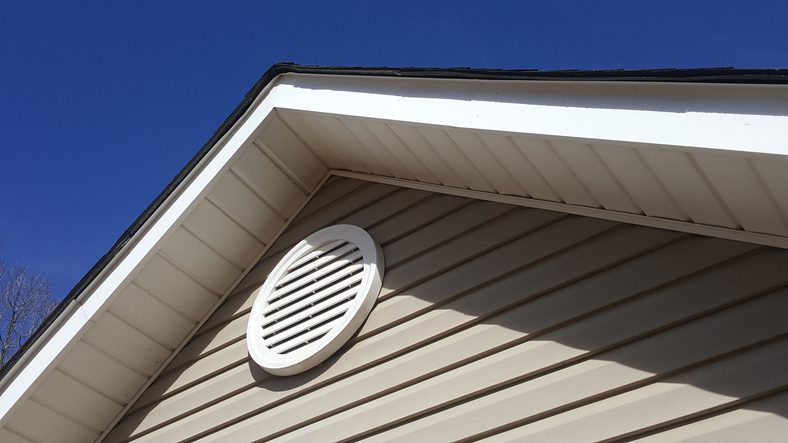
Attics need steady, balanced airflow to regulate temperature and moisture. When that airflow becomes blocked or uneven, it traps warm air—creating pockets of heat that pests love.
Mice, squirrels, and even insects can detect temperature changes with surprising accuracy. A single warm, stagnant part of your attic can become a perfect nesting site.
Common airflow issues that invite pests include:
- Blocked soffit or ridge vents
- Crushed or improperly installed baffles
- Insulation pushed too tightly against ventilation channels
- Unsealed attic access points allowing conditioned air to escape from living spaces
When warm air leaks into the attic, pests interpret it as a sign of shelter. Meanwhile, reduced airflow keeps that warmth locked in—making the space even more appealing.
 Damaged or Incomplete Insulation Channels Make Things Worse
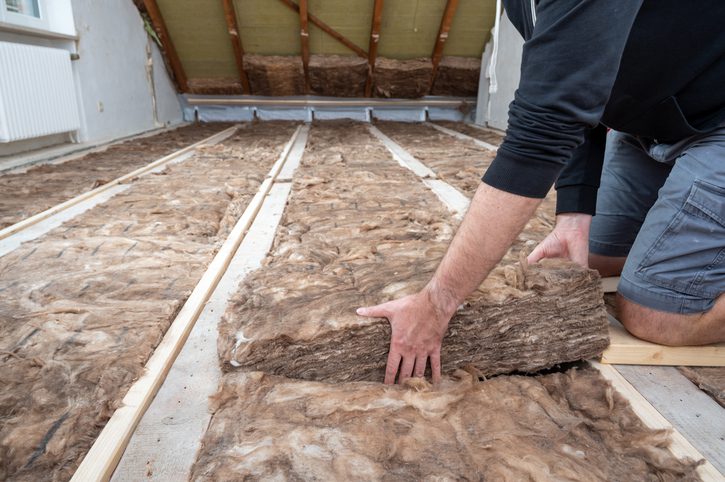
Insulation isn’t just about energy efficiency—it also plays a major role in winter attic pest prevention. Proper insulation channels (baffles) keep air moving while preventing insulation from sagging into ventilation paths. But when insulation is disturbed, crushed, or missing, it can attract pests in several ways:
Pests use insulation for nesting material
Mice and squirrels shred fiberglass and cellulose to build warm nests. Once one nest is established, activity increases quickly.
Insulation gaps create inconsistent temperatures
Cold pockets form in some areas, while others remain warm—an ideal environment for rodents seeking predictable shelter.
Sagging insulation blocks airflow
This leads to heat buildup, humidity, and condensation, all of which signal safety and comfort to pests.
Insulation channels must remain open, structured, and dry to avoid unintentionally creating a rodent retreat.
 Winter Moisture Turns Attics Into Pest Havens
Moisture is one of the most underrated contributors to winter attic pest problems. Even in cold weather, moisture accumulates through:
- Bathroom and kitchen exhaust fans improperly vented into the attic
- Ice dams forcing water under shingles
- Condensation from warm, humid indoor air rising into the attic
- Poor roof ventilation
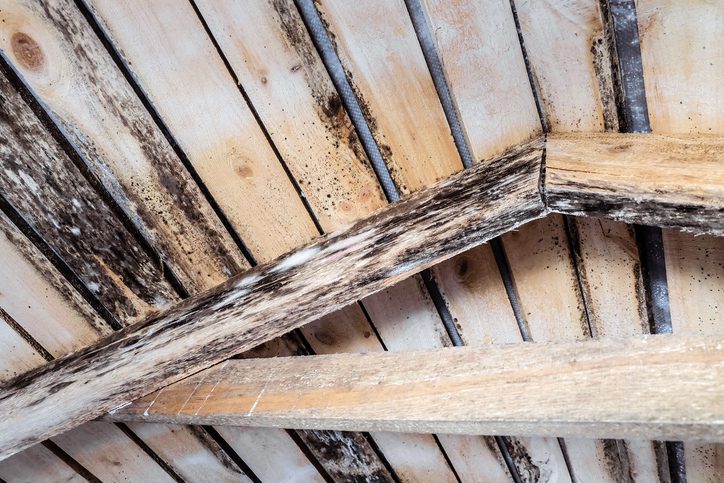
Why does moisture matter? Because pests prefer damp environments. Moisture softens wood and insulation, making it easier for rodents to chew through materials. Dampness also encourages mold growth, which attracts insects like carpenter ants and termites when temperatures warm.
Even small amounts of condensation on rafters or insulation can make an attic significantly more appealing to pests. Dry, well-ventilated attics are much less likely to experience winter activity.
Small Entry Points Become Winter Superhighways
Once airflow, insulation, and moisture create the “perfect” environment, pests only need a way in—and most attics offer them plenty.
Rodents can squeeze through holes as small as a dime, and squirrels only need a gap about the width of two fingers. Winter winds, ice, and snow can worsen existing vulnerabilities by warping wood or loosening shingles.
Typical winter entry points include:
- Gaps around rooflines and soffits
- Openings where utility lines enter
- Chimney flashing
- Ridge vents without proper screening
- Damaged fascia or eaves
If even one rodent finds its way inside, pheromone trails can lead others straight to your attic.
How to Protect Your Attic This Winter
A little preventive work goes a long way toward keeping pests out. Focus on the three factors that matter most:
✔ Improve airflow
- Clear soffit and ridge vents
- Install or repair baffles to maintain ventilation channels
- Seal attic hatches to prevent living-space air leakage
✔ Strengthen insulation integrity
- Fix areas where insulation is sagging or deteriorating
- Ensure proper depth and structure for even heat distribution
- Replace insulation that has been contaminated by rodents
✔ Control moisture
- Confirm exhaust fans vent outdoors—not into the attic
- Check for roof leaks, ice dams, or condensation
- Maintain consistent attic ventilation year-round
When airflow, insulation, and moisture are properly managed, pests lose the conditions they rely on to survive winter inside your home.
Ready to Protect Your Home? Cornerstone Can Help.
If you’ve heard scratching, noticed insulation debris, or simply want peace of mind before winter hits its peak, our team is here to help. Cornerstone specializes in winter attic pest prevention, sealing entry points, correcting moisture issues, and ensuring your attic isn’t inviting unwanted guests.
Call Cornerstone Pest Control today at 603-395-9200 to schedule a winter inspection and keep pests out—where they belong. For additional pest control reading, check out our blog!