
If it still feels like winter outside, why are ants, spiders, or flies suddenly appearing inside your home?
Every spring across Massachusetts and the broader New England region, homeowners notice an unusual pattern: pest activity increases before consistent warm weather arrives. This early surge—often called the spring pest wake-up—is a predictable seasonal shift driven by biology, climate patterns, and the warm environments inside homes.
For homeowners searching “Why am I seeing ants or flies in my house in early spring in Massachusetts?” the answer lies in how pests survive winter and respond to rising daylight and temperature changes.
Understanding this seasonal transition helps prevent infestations before they grow.
Why Spring Pest Activity Starts Early in Massachusetts
Pests do not rely on the calendar to determine when spring begins. Instead, they respond to environmental triggers such as:
-
Increasing daylight hours
-
Rising soil temperatures
-
Freeze–thaw cycles common in Massachusetts and New Hampshire
-
Interior heating inside homes
-
Higher humidity levels during snow melt
Even when outdoor temperatures are still cool, homes across Massachusetts provide warm microclimates in basements, attics, and wall voids.
This artificial warmth signals overwintering pests that it’s time to move—often weeks before true spring weather arrives.
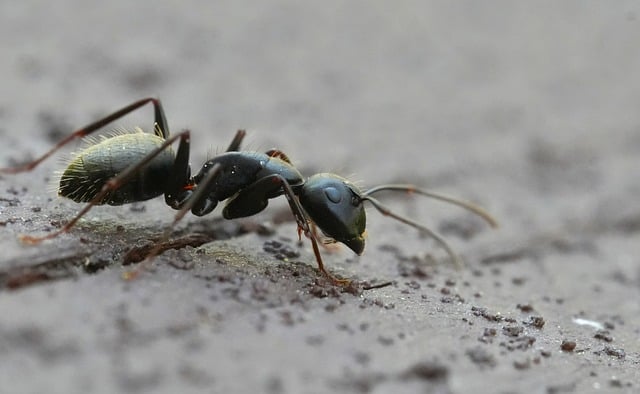 Carpenter Ants in Massachusetts: One of the First Spring Pests
Carpenter ants are one of the most common early-season pests homeowners notice in Massachusetts.
Why Carpenter Ants Appear in Early Spring
Carpenter ant colonies spend winter in:
-
Tree stumps
-
Rotting wood
-
Firewood piles
-
Wall voids inside homes
As temperatures fluctuate during late winter and early spring, worker ants begin searching for food sources.
If you see large black ants inside your home in Massachusetts during February, March, or April, it may indicate:
-
A nearby outdoor colony becoming active
-
Or a satellite colony inside the structure
Unlike termites, carpenter ants don’t eat wood—but they excavate it to create nesting galleries, which can weaken structural wood over time.
Early detection is important because damage often occurs long before homeowners notice visible signs.
Why You’re Seeing More Spiders in Early Spring
Many Massachusetts homeowners report increased spider sightings as winter ends.
What This Usually Means
Spiders often overwinter inside:
-
Basements
-
Crawl spaces
-
Attics
-
Garages
As insects begin emerging in early spring, spiders follow their food source.
If spiders are becoming more visible in your home, it may indicate:
-
Other insects are already present
-
Entry points exist around foundations or siding
-
A stable indoor environment is supporting pest activity
Spiders are predators. Their presence often signals a larger pest ecosystem developing indoors.
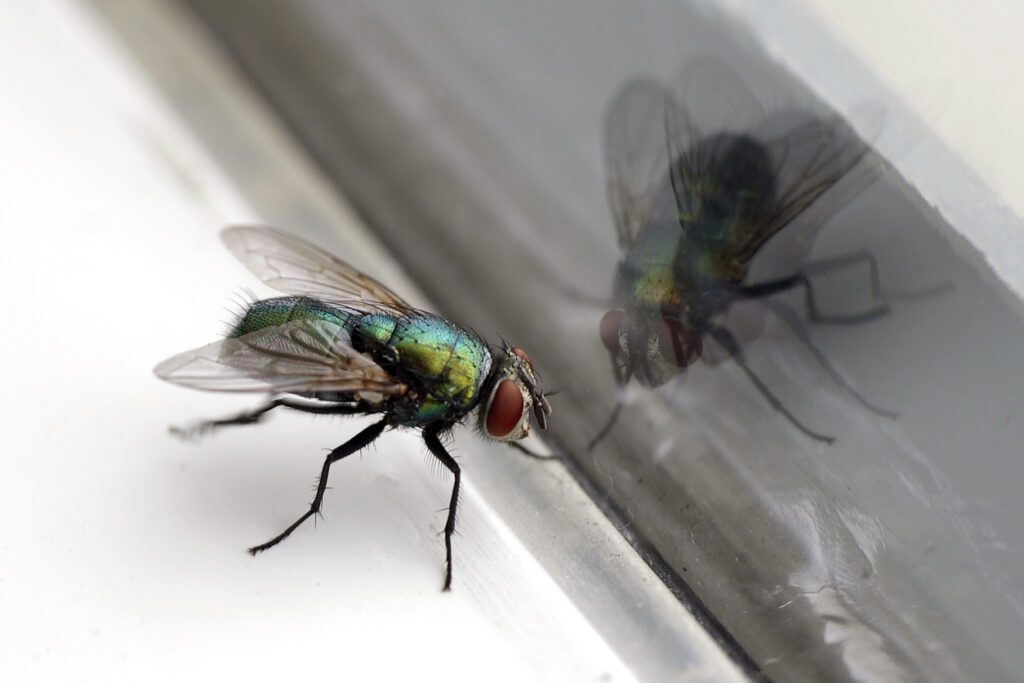
Cluster Flies in Massachusetts Homes
Cluster flies are one of the most common spring nuisance pests in Massachusetts and northern New England.
Why Cluster Flies Suddenly Appear
Cluster flies spend winter in wall voids and attic spaces inside homes.
When sunlight warms exterior siding:
-
Wall cavities heat up
-
Flies become active
-
They move toward windows and light sources
This is why homeowners suddenly notice slow-moving flies gathering near windows in late winter or early spring.
Cluster flies are not breeding inside your home—they entered the structure during fall to overwinter.
However, their presence indicates entry gaps around siding, soffits, vents, or attic spaces.
Stink Bugs Emerging in Homes
Brown marmorated stink bugs have become increasingly common across Massachusetts.
Like cluster flies, stink bugs:
-
Enter homes in the fall
-
Hide inside walls or attic spaces
-
Reappear as temperatures warm
Homeowners may notice them:
-
Crawling on walls
-
Gathering near windows
-
Dropping from recessed lighting
They do not reproduce indoors, but their presence means entry points exist around rooflines, windows, or siding.
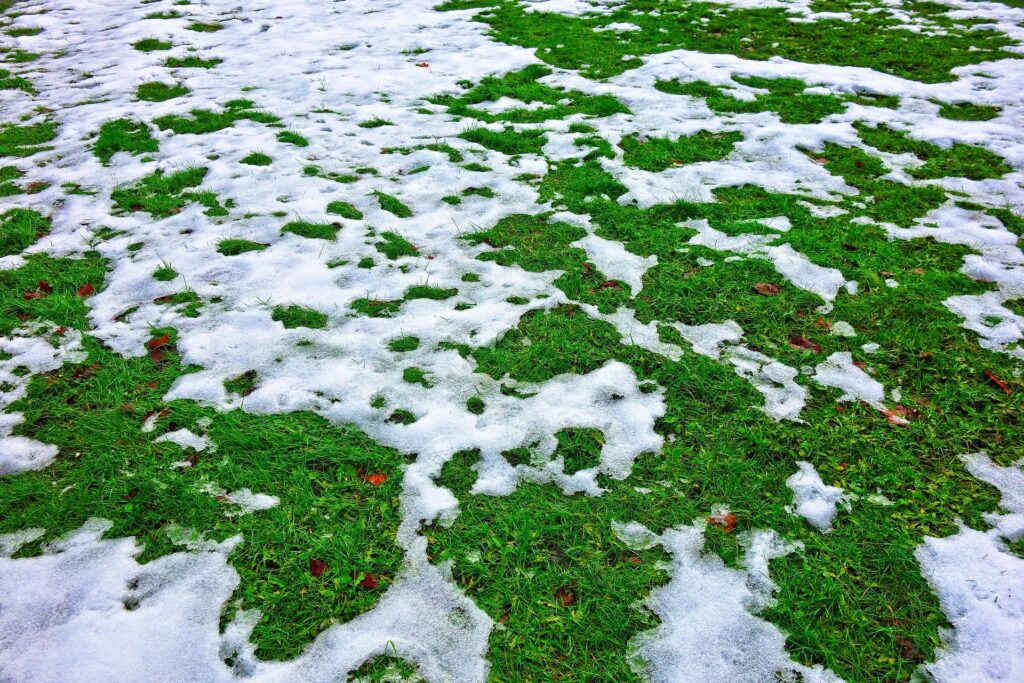 Why Pest Activity Peaks Before Warm Weather
Many homeowners assume pests appear when temperatures become warm. In reality, pest activity begins earlier due to several factors common in Massachusetts.
1. Freeze–Thaw Cycles
Late winter temperature swings warm soil and exterior surfaces faster than air temperatures suggest.
2. Warm Interior Environments
Most homes remain between 65–72°F all winter, creating ideal conditions inside walls and basements.
3. Seasonal Biological Triggers
Many insects respond to:
-
Daylight length
-
Soil temperature thresholds
-
Moisture levels during snow melt
These signals trigger pest movement weeks before consistent spring weather arrives.
Preventing Spring Pest Problems in Massachusetts Homes
Early spring is one of the best times to prevent pest infestations before peak season begins.
Massachusetts homeowners can reduce pest activity by:
-
Sealing cracks and foundation gaps
-
Repairing damaged screens and weather stripping
-
Trimming tree branches away from siding
-
Moving firewood away from the house
-
Scheduling preventative pest treatments
Taking action early prevents small problems from becoming larger infestations as temperatures rise.
The Spring Pest Wake-Up Is Predictable
The early spring pest surge across Massachusetts isn’t random—it’s a natural seasonal transition.
Seeing ants, flies, spiders, or stink bugs now doesn’t always mean you have a severe infestation. However, it does signal that pests are becoming active and looking for entry points.
Addressing these issues early protects your home before peak pest season arrives.
Protect Your Massachusetts Home Before Pest Season Begins
If you’re noticing early pest activity in your home, now is the ideal time to act.
Cornerstone Pest Control helps homeowners across Massachusetts and New Hampshire identify entry points, eliminate overwintering pests, and create preventative treatment plans designed for New England homes.
Don’t wait for minor pest activity to turn into a major infestation.
Contact Cornerstone today at 603-395-9200 to schedule a spring pest inspection and proactive protection plan.