When most homeowners think about pest control, they think about treatments. Sprays. Traps. Service calls. But long-term protection starts before any product is applied. Integrated Pest Management (IPM) is a smarter, prevention-first approach that focuses on reducing the conditions pests need to survive. For New England homeowners, small, consistent home maintenance habits can dramatically reduce the likelihood of infestations — especially during seasonal transitions.
If you’re looking for a practical, realistic guide to IPM for homeowners, this is where to start.
What Is Integrated Pest Management (IPM)?
Integrated Pest Management (IPM) is a science-based strategy that emphasizes prevention, monitoring, and targeted treatments only when necessary.
Instead of reacting to a pest problem after it becomes visible, IPM works to:
- Eliminate entry points
- Reduce food and water sources
- Modify environmental conditions
- Monitor activity patterns
- Apply precise treatments when needed
This approach is especially effective in New Hampshire and Massachusetts, where seasonal weather shifts drive pests indoors for shelter.
Why IPM Matters in New England Homes
In our region, pests aren’t just seasonal nuisances. They’re survivalists.
- Rodents seek warmth in fall and winter.
- Ants become active during spring thaw.
- Wasps establish nests in early summer.
- Moisture pests thrive in humid basements year-round.
Without preventative maintenance, homes naturally create ideal pest habitats.
The good news? Most infestations begin with small, preventable vulnerabilities.
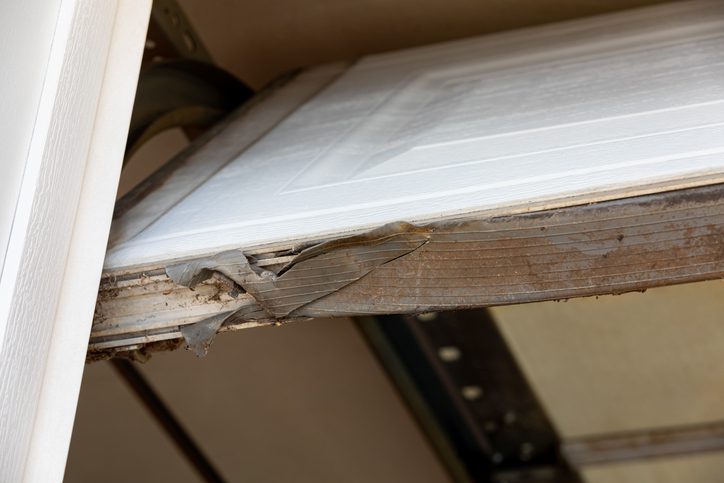 1. Seal the Gaps You Don’t Notice
A mouse can squeeze through an opening the size of a dime. Carpenter ants can enter through hairline cracks.
Key areas to inspect quarterly:
- Foundation cracks
- Gaps around utility lines
- Worn weather stripping
- Loose door sweeps
- Attic and soffit vents
Use silicone or polyurethane caulk for small gaps and hardware cloth for larger openings.
Why it matters: Exclusion is the foundation of IPM for homeowners. If pests can’t get in, they can’t establish colonies.
2. Manage Moisture — The Hidden Pest Magnet
Many pests are drawn not to food, but to water.
Common moisture sources include:
- Condensation around HVAC units
- Clogged gutters
- Poor downspout drainage
- Basement humidity above 60%
- Leaky outdoor spigots
Install gutter extensions, repair leaks promptly, and consider a dehumidifier for basements or crawl spaces.
Why it matters: Silverfish, earwigs, carpenter ants, and rodents all depend on moisture. Reducing humidity reduces pest pressure.
3. Rethink Mulch and Landscaping Placement
Landscaping decisions directly impact pest activity.
Avoid:
- Mulch piled against siding
- Shrubs touching the home
- Firewood stacked against exterior walls
- Dense groundcover near foundations
Maintain at least an 18-inch vegetation-free zone around the perimeter of your home.
Why it matters: Mulch retains moisture and provides shelter for ants, termites, and rodents. IPM emphasizes habitat modification as a core prevention strategy.
 4. Secure Food Sources (Indoors and Out)
Even tiny crumbs can sustain pests.
Best practices include:
- Store pantry items in sealed containers
- Clean under appliances regularly
- Rinse recycling before storing
- Keep pet food sealed overnight
- Use tight-fitting trash lids
Outdoors, clean grills and avoid leaving birdseed scattered near foundations.
Why it matters: Ant colonies and rodent populations grow rapidly when food sources are reliable.
5. Monitor Before You Have a Problem
IPM relies on observation, not assumption.
Simple monitoring habits:
- Check attic insulation for tunneling
- Inspect basements for droppings
- Look for sawdust near trim (possible carpenter ants)
- Watch for mud tubes along foundations
Early detection allows for targeted intervention rather than large-scale remediation.

6. Seasonal Attic & Basement Checks
In New England, temperature swings push pests into upper and lower areas of the home.
Twice yearly, inspect:
- Attic insulation for nesting
- Chimney flashing
- Roofline gaps
- Basement sill plates
- Garage door seals
These overlooked areas are often where infestations begin.
How Professional IPM Supports Homeowners
While small habits go a long way, professional IPM programs provide:
- Detailed inspections
- Entry-point identification
- Ongoing monitoring
- Targeted treatments when thresholds are met
- Documentation and prevention planning
At Cornerstone Pest Control, our IPM approach focuses on long-term prevention, not just symptom control. We evaluate the structure, environment, and seasonal pressures unique to New England properties.
The result is more sustainable, effective protection.
The Big Picture: Small Habits, Major Impact
Integrated Pest Prevention isn’t complicated — it’s consistent.
When homeowners:
- Seal small gaps
- Reduce moisture
- Modify landscaping
- Secure food sources
- Monitor routinely
They dramatically lower pest risk.
IPM for homeowners is about taking control of the environment before pests do.
Protect Your Home the Smarter Way
If you’d like a professional evaluation of your home’s pest vulnerabilities, Cornerstone Pest Control can help.
Our team provides comprehensive inspections and customized Integrated Pest Management plans designed specifically for New Hampshire and Massachusetts homes.
Don’t wait for a problem to appear. Prevent it.
Contact Cornerstone today at 603-695-9200 or submit our form to schedule your inspection and build a proactive protection plan that lasts. For additional pest control articles, check out our blog!